
BPC-157 5mg
Body Protection Compound — the gold standard for tendon, ligament, and gut healing.
Key Benefits
upregulates growth factor receptors and accelerates connective tissue repair
stimulates new blood vessel formation to improve blood supply to injured tissue
heals gastric ulcers, IBD, and intestinal permeability (leaky gut)
effective even when injected away from the injury site
Active Signaling Pathway
Investigated Pathways
Proposed Mechanism
BPC-157 promotes healing through multiple pathways: it upregulates growth factor receptors (VEGFR2, FGFR), stimulates angiogenesis (new blood vessel formation), activates the nitric oxide system to improve blood flow, and modulates the tendon-to-bone healing cascade. It also exhibits gastroprotective effects by maintaining gut mucosal integrity and modulating the enteric nervous system.
Research Highlights
- Shown to heal tendon-to-bone injuries 2× faster than controls in rodent models
- Demonstrated complete healing of severed Achilles tendons in multiple animal studies
- Gastroprotective effects documented — heals gastric ulcers, IBD, and leaky gut in preclinical models
- Neuroprotective properties shown in traumatic brain injury and spinal cord injury models
Human observational or open-label study data exists. Controlled trial data may be limited. Not a treatment recommendation.
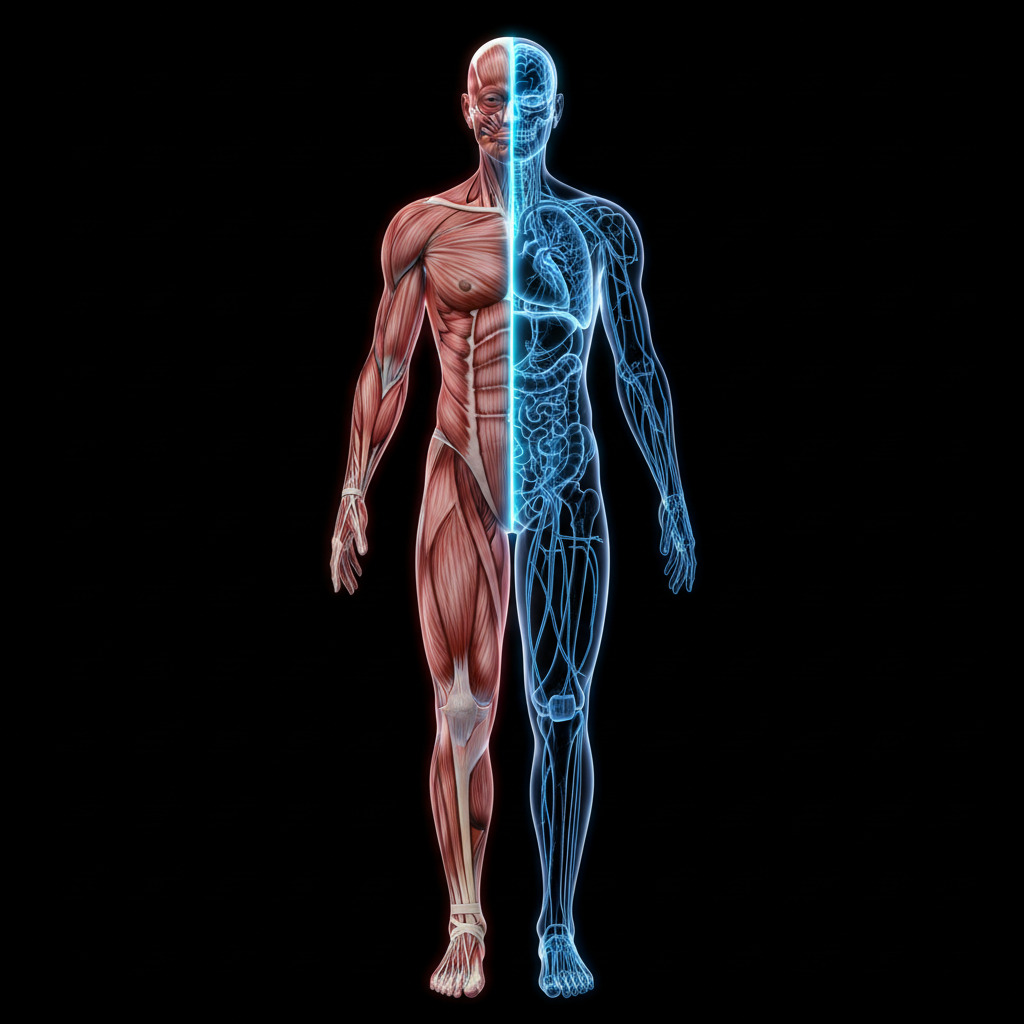
For research use only — not for human consumption. No treatment claims.
Full Research Hub →Recommended Stacks
BPC-157 5mg is a key compound in these curated research stacks. Pair it with synergistic peptides for enhanced outcomes.
Wolverine Recovery Stack
The gold-standard dual-peptide repair protocol — BPC-157 + TB-500 for connective tissue, muscle, and systemic healing.
How long will one vial last?
Based on standard research protocols, here's exactly what to expect from a single 5mg vial — and when to plan your next order.
Vial supply estimate is based on standard research protocol volumes. Actual duration will vary based on your specific protocol design.
Scientific Background
Mechanism of Action
BPC-157 promotes healing through multiple pathways: it upregulates growth factor receptors (VEGFR2, FGFR), stimulates angiogenesis (new blood vessel formation), activates the nitric oxide system to improve blood flow, and modulates the tendon-to-bone healing cascade. It also exhibits gastroprotective effects by maintaining gut mucosal integrity and modulating the enteric nervous system.
Clinical Context
BPC-157 has over 30 years of preclinical research and is one of the most replicated healing peptides in the literature. It is used in research protocols for musculoskeletal injuries, gut disorders, and neurological recovery. Its systemic effects make it effective even when injected away from the injury site.
Research Highlights
- Shown to heal tendon-to-bone injuries 2× faster than controls in rodent models
- Demonstrated complete healing of severed Achilles tendons in multiple animal studies
- Gastroprotective effects documented — heals gastric ulcers, IBD, and leaky gut in preclinical models
- Neuroprotective properties shown in traumatic brain injury and spinal cord injury models
Storage & Reconstitution
Key Studies
Stable gastric pentadecapeptide BPC 157: novel therapy in gastrointestinal tract
Sikiric P et al.
BPC-157 demonstrated comprehensive healing of tendon-to-bone injuries and gut mucosal damage via VEGFR2 and FAK pathway activation.
PubMed →Cytoprotective effect of BPC 157 on gastric mucosa
Chang CH et al.
BPC-157 protected gastric mucosa from NSAID-induced damage and accelerated ulcer healing through NO-dependent mechanisms.
PubMed →BPC 157 and standard angiogenic growth factors: gastrointestinal tract healing
Gwyer D et al.
Comprehensive review confirming BPC-157's systemic healing effects across multiple tissue types via angiogenic and growth factor pathways.
PubMed →Pharmacokinetics
Bioavailability indicates how much of the compound reaches systemic circulation. Peak plasma is when blood levels are highest. Half-life determines dosing frequency — compounds with short half-lives require more frequent dosing to maintain therapeutic levels.
The volume of distribution reflects how widely the compound distributes into tissues. A higher Vd means the compound concentrates in tissues rather than staying in plasma.
Receptor Binding Profile
Promotes angiogenesis and new blood vessel formation at injury sites
Drives cell migration and proliferation for tissue repair
Increases nitric oxide production, improving local blood flow
Enhances epithelial and mucosal healing
Side Effects & Adverse Events
- Mild injection site redness
- Transient nausea at high doses
- Dizziness
- Fatigue
- None reported in research literature
Contraindications & Interactions
Synergistic Compounds
Complementary repair mechanisms — BPC-157 targets local angiogenesis while TB-500 provides systemic cell migration and anti-inflammatory effects.
BPC-157 250–500 mcg + TB-500 2 mg, both SubQ, daily or every other day for 4–8 weeks.
View Compound →KPV's NF-κB inhibition complements BPC-157's gut mucosal healing for IBD and leaky gut research.
BPC-157 250 mcg SubQ + KPV 500 mcg oral or SubQ, once or twice daily.
View Compound →Transparent Global Sourcing
Manufactured
Sourced through our manufacturing partner in China
Independent Testing
Analytical reports available from Janoshik Analytical
Batch Verification
Batch-specific COAs with online verification via janoshik.com
US Fulfillment
Orders fulfilled from the United States