
Glutathione
Master antioxidant tripeptide for cellular detoxification and immune support.
Tap a strength to switch — price, image & stock update automatically
Key Benefits
directly neutralizes reactive oxygen species and maintains the GSH:GSSG ratio, the cell's primary redox defense
supports T-cell proliferation and NK cell activity, with research showing improved immune response in immunocompromised models
serves as a cofactor for Phase II liver detoxification enzymes, facilitating clearance of heavy metals, drugs, and environmental toxins
protects mitochondrial membranes from lipid peroxidation and maintains the electron transport chain efficiency
Active Signaling Pathway
Glutathione is the master antioxidant present in every cell. It directly neutralizes reactive oxygen species, regenerates vitamins C and E, and serves as a cofactor for Phase II liver detoxification enzymes.
Investigated Pathways
Proposed Mechanism
Glutathione (γ-L-Glutamyl-L-cysteinylglycine) functions as the cell's primary redox buffer. It directly neutralizes reactive oxygen species (ROS), serves as a cofactor for glutathione peroxidase enzymes, participates in Phase II detoxification via glutathione S-transferases, and maintains the thiol redox state of proteins. Intracellular GSH exists in reduced (GSH) and oxidized (GSSG) forms; the GSH:GSSG ratio is a key marker of cellular oxidative stress.
Research Highlights
- Intracellular GSH levels decline 30–40% between ages 20 and 60, correlating with increased oxidative damage markers
- IV glutathione shown to reduce cisplatin-induced nephrotoxicity in oncology research models
- Studies in Parkinson's patients show significantly depleted substantia nigra GSH levels — restoration is an active research target
- Liposomal oral GSH shown to increase whole-blood GSH by 40% over 6 months in a 2015 randomized trial
Human observational or open-label study data exists. Controlled trial data may be limited. Not a treatment recommendation.
For laboratory research only
All Research Systems →Human Body
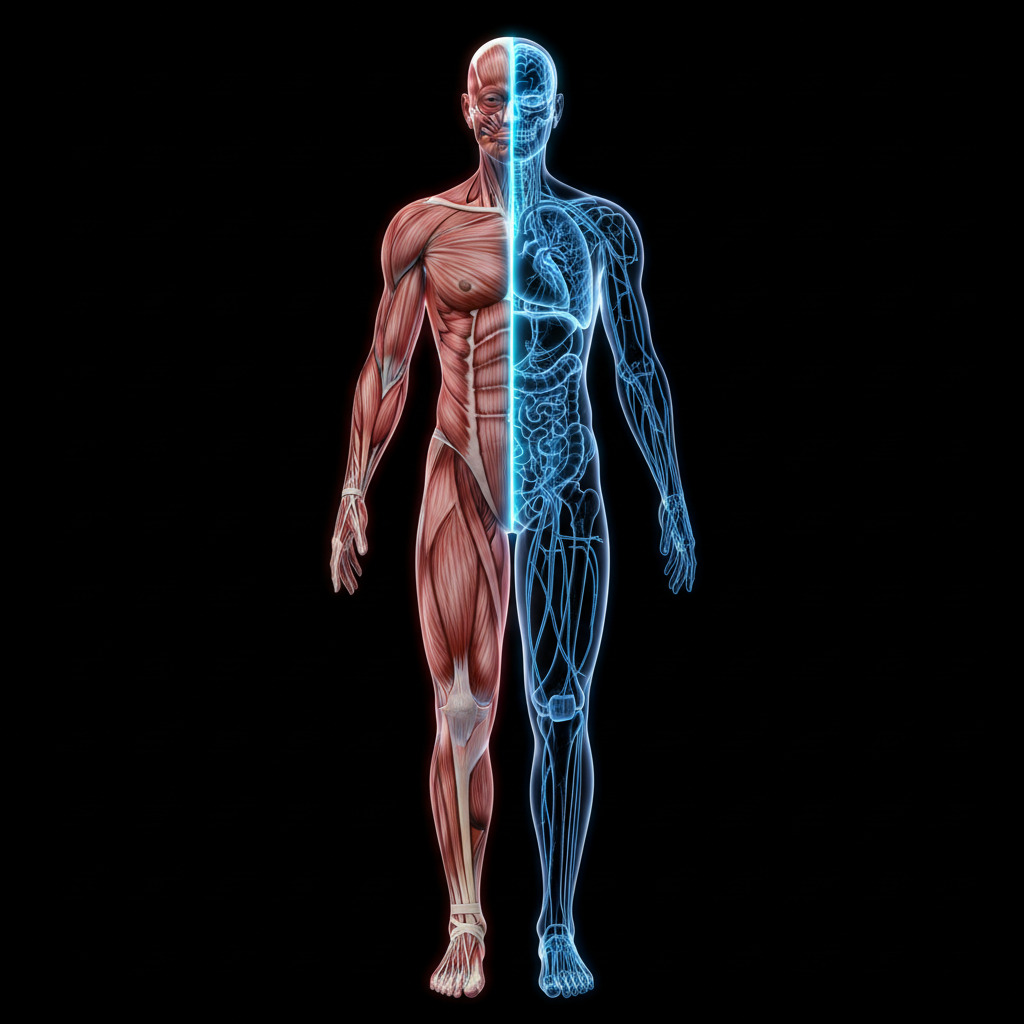
Research begins at the whole-organism level — studying systemic metabolic markers, energy expenditure, and physiological response to peptide intervention.
For laboratory research and educational purposes only.
Human Body
Research begins at the whole-organism level — studying systemic metabolic markers, energy expenditure, and physiological response to peptide intervention.
For laboratory research and educational purposes only.
For research use only — not for human consumption. No treatment claims.
Full Research Hub →How long will one vial last?
Based on standard research protocols, here's exactly what to expect from a single 1600mg vial — and when to plan your next order.
Vial supply estimate is based on standard research protocol volumes. Actual duration will vary based on your specific protocol design.
Scientific Background
Mechanism of Action
Glutathione (γ-L-Glutamyl-L-cysteinylglycine) functions as the cell's primary redox buffer. It directly neutralizes reactive oxygen species (ROS), serves as a cofactor for glutathione peroxidase enzymes, participates in Phase II detoxification via glutathione S-transferases, and maintains the thiol redox state of proteins. Intracellular GSH exists in reduced (GSH) and oxidized (GSSG) forms; the GSH:GSSG ratio is a key marker of cellular oxidative stress.
Clinical Context
Glutathione's central role in cellular redox homeostasis makes it relevant across virtually every disease model involving oxidative stress — from neurodegeneration to cardiovascular disease to cancer. IV administration remains the gold standard for research due to near-complete bioavailability, while subcutaneous injection offers a practical alternative for sustained protocols.
Research Highlights
- Intracellular GSH levels decline 30–40% between ages 20 and 60, correlating with increased oxidative damage markers
- IV glutathione shown to reduce cisplatin-induced nephrotoxicity in oncology research models
- Studies in Parkinson's patients show significantly depleted substantia nigra GSH levels — restoration is an active research target
- Liposomal oral GSH shown to increase whole-blood GSH by 40% over 6 months in a 2015 randomized trial
Storage & Reconstitution
Key Studies
Oral glutathione supplementation increases plasma glutathione levels
Richie JP et al.
Oral liposomal glutathione increased whole-blood GSH by 40% over 6 months; IV route achieves near-complete bioavailability.
PubMed →Glutathione and its role in cellular functions
Meister A et al.
Comprehensive review establishing glutathione's central role in cellular redox homeostasis, immune function, and detoxification.
PubMed →Glutathione in health and disease
Schmitt B et al.
Clinical review confirming IV glutathione's efficacy for oxidative stress reduction and hepatoprotection.
Pharmacokinetics
Bioavailability indicates how much of the compound reaches systemic circulation. Peak plasma is when blood levels are highest. Half-life determines dosing frequency — compounds with short half-lives require more frequent dosing to maintain therapeutic levels.
The volume of distribution reflects how widely the compound distributes into tissues. A higher Vd means the compound concentrates in tissues rather than staying in plasma.
Receptor Binding Profile
Neutralizes hydrogen peroxide and lipid peroxides
Phase II detoxification of xenobiotics, drugs, and carcinogens
Upregulates endogenous antioxidant enzyme production
Scavenges superoxide, hydroxyl radical, and peroxynitrite
Side Effects & Adverse Events
- Injection site reactions
- Mild nausea (IV — slow infusion rate)
- Zinc depletion with chronic use (supplement zinc)
- Headache
- Flushing (IV)
- None documented at therapeutic doses
Contraindications & Interactions
Synergistic Compounds
NAD+ and glutathione are complementary antioxidant and cellular repair systems — NAD+ activates sirtuins while glutathione handles oxidative stress.
Glutathione 600 mg IV/SubQ + NAD+ 250 mg SubQ, 2–3× per week.
View Compound →GHK-Cu upregulates antioxidant enzymes (SOD, catalase) while glutathione provides direct ROS neutralization — synergistic antioxidant protection.
Glutathione 200 mg SubQ + GHK-Cu 1 mg SubQ, daily.
View Compound →Transparent Global Sourcing
Manufactured
Sourced through our manufacturing partner in China
Independent Testing
Analytical reports available from Janoshik Analytical
Batch Verification
Batch-specific COAs with online verification via janoshik.com
US Fulfillment
Orders fulfilled from the United States