
Lung & Respiratory Research
A research overview of peptides targeting pulmonary protection, airway anti-inflammation, alveolar repair, and respiratory tissue regeneration — from NF-κB inhibition to antioxidant defense.
Research context only. All compounds listed are for laboratory research purposes. This content does not constitute medical advice, diagnosis, or treatment recommendations.
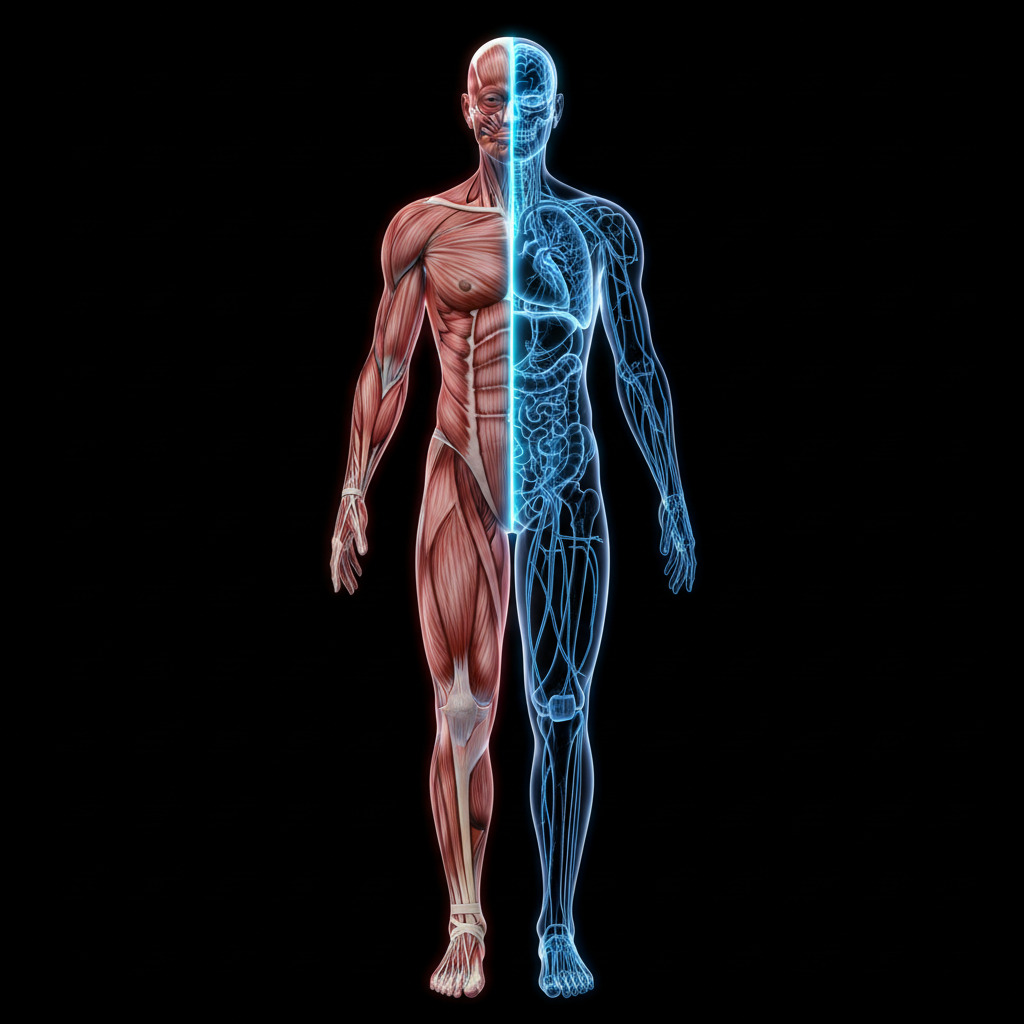
Pulmonary Research Context
Oxidative Stress in Pulmonary Disease
The lung is continuously exposed to environmental oxidants. Oxidative stress drives inflammation, fibrosis, and epithelial damage in COPD, asthma, and acute lung injury. Antioxidant peptides represent a key research target.
NF-κB Inflammation in Airways
NF-κB is the master transcription factor for airway inflammation. Activation drives cytokine release, neutrophil recruitment, and mucus hypersecretion. Multiple peptides inhibit NF-κB signaling in pulmonary tissue.
Alveolar Repair & Surfactant Biology
Type II pneumocytes produce surfactant and serve as progenitors for alveolar repair. Growth factors and tissue repair peptides support pneumocyte survival and alveolar regeneration after injury.
GLP-1 Receptors in Pulmonary Tissue
GLP-1 receptors are expressed in airway epithelium and smooth muscle. GLP-1 agonists reduce airway inflammation and may improve respiratory outcomes in obese patients with metabolic-inflammatory lung disease.
Peptides Targeting Lung & Respiratory Health
Pulmonary Research Pathways
NF-κB Anti-Inflammatory Pathway
NF-κB drives airway inflammation in asthma, COPD, and acute lung injury. BPC-157, KPV, and TB-500 inhibit NF-κB signaling through complementary mechanisms, reducing cytokine release and neutrophil recruitment.
Oxidative Stress & Antioxidant Defense
Pulmonary oxidative stress depletes glutathione and drives alveolar damage. Glutathione, NAD+, and MOTS-c provide complementary antioxidant and mitochondrial protection in lung tissue.
Alveolar Repair & Fibrosis Reduction
Pulmonary fibrosis is driven by TGF-β and impaired alveolar progenitor cell function. TB-500 and GHK-Cu modulate TGF-β and promote VEGF-driven alveolar repair and vascular remodeling.
Metabolic-Inflammatory Lung Disease
Obesity-related airway inflammation and mechanical respiratory burden are major drivers of lung disease. GLP-1 agonists reduce both metabolic inflammation and mechanical load through weight loss.
Key Studies in Pulmonary Research
BPC-157 Pulmonary Protection
BPC-157 protected against drug-induced pulmonary toxicity and reduced airway inflammation via NF-κB inhibition and NO synthase modulation in rodent models.
Thymosin β4 in Pulmonary Fibrosis
TB-500 (thymosin β4) reduced pulmonary fibrosis via TGF-β modulation and promoted alveolar progenitor cell mobilization, supporting tissue repair after lung injury.
Oxidative Stress and Antioxidants in COPD
Glutathione depletion is a hallmark of COPD and acute lung injury. Antioxidant repletion strategies targeting pulmonary glutathione show protective effects in oxidative lung disease models.
GHK-Cu Anti-Fibrotic and Repair Effects
GHK-Cu modulates TGF-β signaling to reduce fibrosis and upregulates VEGF for alveolar vascular repair, with broad anti-inflammatory gene expression effects in pulmonary tissue.
Explore These Compounds
Browse the full catalog of research peptides available from SwissNova Labs.